3D Embossed Texture Background Graphics Review
In the world of digital publishing, the difference between a scroll-past and a click-through is often visual. As a blog designer who has spent years refining editorial layouts for content-heavy websites, I have learned that texture is not just decoration; it is a signal. It tells the reader whether a page feels premium, trustworthy, or playful. Recently, I evaluated a specific design asset labeled as 3D Embossed Texture Background to see if it holds up in a real-world publishing workflow. This review focuses on how this graphic design asset performs when integrated into actual content marketing strategies, affiliate marketing pages, and digital product offerings.
The First Impression: Editorial Mood and Visual Hierarchy
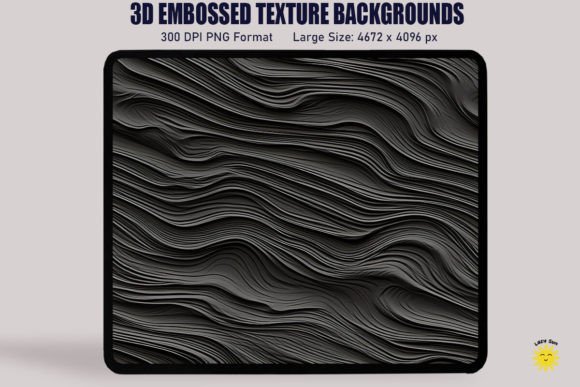
When you first load a 3D Embossed Texture Background, the immediate effect is one of depth. Unlike flat vector shapes or simple color blocks, an embossed surface background creates a tactile illusion. For a publisher, this is crucial because it establishes a strong visual hierarchy before the user even reads the headline. The raised pattern backgrounds provide a subtle yet sophisticated backdrop that allows text and call-to-action buttons to pop without feeling jarring.
This asset naturally supports niches that value polish and aesthetic appeal. Whether you are running a lifestyle blog, an online education platform, or a small business branding site, the mood created here is modern and clean. It avoids the chaotic energy of busy patterns while still offering enough detail to keep the eye engaged. It feels less like a generic clipart and more like a custom-designed web design element. For creative entrepreneurs, this means your content looks like it was produced by a professional studio, which directly impacts reader trust.
Real-World Publishing Applications
The true test of any graphic design asset is its versatility across different media. In my testing, the 3D Embossed Texture Background proved highly adaptable. Here is how it integrates into common publishing workflows:
- Blog Featured Images: Use the texture as a base layer behind bold typography. The 3D effect adds weight to headlines, making them stand out in crowded social feeds.
- Pinterest Pins: Pinterest is a visual search engine. A pin with an embossed texture background stands out against flat images. It signals quality and encourages clicks to your affiliate content or blog posts.
- Newsletter Graphics: Email open rates depend on preview text and headers. Using this texture in your newsletter banner adds a touch of elegance that can improve perceived value.
- Digital Guides and Lead Magnets: When creating downloadable resources, worksheets, or eBooks, cover design matters. An embossed surface background gives your lead magnet a tangible, high-value feel, increasing download rates.
- Website Headers and Banners: For homepage hero sections, this texture provides a non-distracting but rich environment for your value proposition.
- Social Media Previews: Consistency builds brand identity. Using the same texture across Instagram, Facebook, and LinkedIn previews creates a cohesive visual system.
Supporting Content Performance
Why does texture matter for performance metrics? Because it influences perception. A website that uses thoughtful design assets communicates competence. When you use 3D Embossed Texture Background graphics, you are investing in a stronger first impression. Readers subconsciously associate polished visuals with reliable information.
This asset supports better click-through potential by framing content effectively. It acts as a container that guides the eye toward the most important elements—your headline, your offer, or your image. For affiliate marketers, this clarity is essential. You want the user to focus on the product or link, not get lost in a cluttered layout. The raised pattern backgrounds help organize space, creating breathing room around text and images. This results in improved reader trust and a more professional-looking content page.
Where It Works Best
Based on my experience, this design asset shines in specific contexts:
- Hero Images: Large-scale displays where the texture can be appreciated fully.
- Article Thumbnails: Small squares benefit from the contrast provided by the embossed effect.
- Editorial Accents: Use as sidebars or section dividers to break up long-form content.
- Content Upgrades: Enhance the perceived value of free bonuses offered within blog posts.
- Category Visuals: Create distinct visual identities for different sections of your site.
Where to Use With Caution
No single graphic design asset fits every scenario. There are situations where using a 3D texture might hinder usability:
- Small Mobile Thumbnails: At very small sizes, complex textures can become muddy. Test carefully to ensure readability.
- Text-Heavy Blog Images: If your image contains a lot of copy, the texture may compete with the text. Ensure sufficient contrast.
- Low-Contrast Backgrounds: Avoid pairing light textures with light text unless you add a shadow or overlay.
- Busy Layouts: If your website already has many patterns, colors, and images, adding another texture can create visual noise.
- Serious Professional Niches: Corporate or legal sites may prefer minimalism over decorative textures.
Practical Publisher Notes for Implementation
To get the most out of the 3D Embossed Texture Background, follow these technical and creative guidelines:
Testing and Optimization
Always test your designs on both desktop and mobile screens. A texture that looks stunning on a large monitor might lose detail on a smartphone. Check how it appears as a thumbnail in your RSS feed or social media preview. Preview the asset inside your actual blog layout to see how it interacts with your existing theme. Crucially, test it with your headline text. Does the text remain legible? Is the contrast sufficient?
Typography Pairing
The choice of font dramatically changes the mood of the texture. Try placing the embossed background beside:
- Serif Fonts: Creates a classic, authoritative, or literary feel.
- Sans Serif Fonts: Yields a modern, clean, and tech-forward look.
- Script or Handwritten Fonts: Adds a personal, creative, or feminine touch, ideal for lifestyle blogs.
- Display Fonts: Makes bold statements for headers and promotional banners.
Technical Considerations
Review file size for web performance. Large PNG files can slow down page load times, which hurts SEO. Compress images properly using tools like TinyPNG or Squoosh before uploading. Confirm commercial licensing before using the asset on monetized websites, affiliate pages, or paid content products. Ensure you have the right to use the 3D Texture Backdrops in your digital downloads and Canva templates.
Final Verdict
The 3D Embossed Texture Background is a versatile graphic design asset that brings editorial quality to digital publishing. It helps bloggers, publishers, and designers create visually compelling content that stands out in a crowded digital landscape. By understanding where to apply it and how to optimize it, you can enhance your brand identity, improve content marketing results, and deliver a more polished experience to your audience. Whether you are designing a new website header, a Pinterest pin, or a digital guide, this asset offers the depth and professionalism needed to engage readers effectively.