3D Rose SVG DXF 7 Layer Review
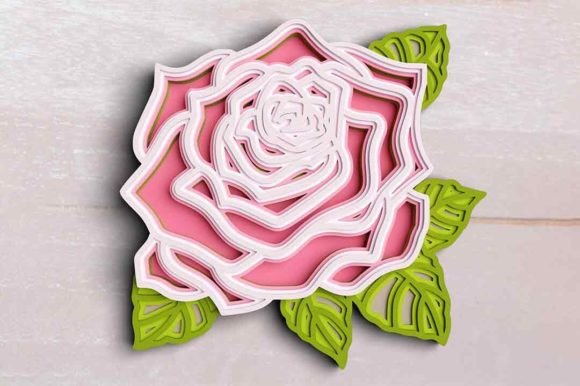
As a designer who spends half my life in embroidery software and the other half talking to clients about what they actually want, I look at digital assets with a critical eye. We have all seen that moment where a design looks stunning on a screen but turns into a tangled mess of thread once it hits the hoop. That is why I take a hands-on approach when evaluating new files for our craft business inventory. Today, I am breaking down the 3D Rose SVG DXF 7 Layer - 3D Flower Svg. This file claims to blend floral elegance with a mandala theme across seven distinct layers, promising versatility for Cricut, Silhouette, laser cutting, and yes, machine embroidery.
I pulled this file into my workflow specifically to test its viability for a custom boutique line. The goal was simple: could this design elevate a standard tote bag or sweatshirt enough to justify a higher price point? More importantly, would the intricate layering hold up to real-world wear and tear? Here is my honest assessment of how this embroidery project performs when moved from the digital realm to the physical product.
The First Impression: Mood and Visual Personality
When you first load the 3D Rose SVG DXF 7 Layer - 3D Flower Svg, the immediate takeaway is its structural complexity. Unlike basic floral motifs that rely on a single fill stitch, this design utilizes a layered approach. It feels like a 3D Mandala theme has been translated into a two-dimensional plane. The mood it creates is sophisticated yet organic. It does not feel like a generic clip-art flower; it has weight and depth.
For an Etsy seller or a small shop product owner, visual personality is everything. This design naturally leans toward a bohemian, artistic aesthetic. It works beautifully for products that aim to feel handmade and premium. When I visualize this on a cream-colored canvas tote bag, the seven layers create a beautiful play of negative space and filled areas. It suggests that the wearer values detail and craftsmanship. However, that same detail requires careful execution. If the stitching is too dense, the "mandala" effect can become muddy. If it is too sparse, the layers might lose their definition. The potential here is high, but the margin for error is low.
Real-World Application: Where Does This Design Shine?
I tested the conceptual application of this machine embroidery design across several common categories. The versatility of the seven-layer structure allows it to adapt well to different mediums, provided you respect the scale.
- Custom Apparel and Sweatshirts: This is perhaps the strongest use case. On a heavyweight cotton sweatshirt, the layered rose acts as a focal point. Because the design mimics a mandala, it draws the eye inward. For a sweatshirt embroidery project, placing this on the back yoke or centered on the chest offers a bold statement piece. The intricate details catch the light differently depending on the thread sheen, adding a subtle luxury to casual wear.
- Tote Bags and Canvas Goods: A tote bag design needs to be legible from a distance. The seven layers provide enough visual interest to make a plain bag stand out without overwhelming the user. It transforms a utilitarian item into a fashion accessory. This is ideal for craft business owners looking to create branded merchandise that feels unique.
- Baby Items and Nursery Decor: While intricate, the soft curves of the rose and mandala elements make it suitable for baby blankets or nursery wall art. The gentle symmetry appeals to parents looking for calming, aesthetic designs. However, caution is needed regarding thread choices; bright, harsh colors might clash with the delicate nature of the pattern.
- Embroidered Patches: The self-contained nature of the mandala shape makes it an excellent candidate for an embroidered patch. Whether used on denim jackets or backpacks, the layered structure gives the patch a rich, textured appearance that stands up against rugged fabrics.
Technical Considerations and Potential Pitfalls
No design is perfect, and as a reviewer, I must highlight where this embroidery file might struggle. The seven-layer aspect is both its greatest strength and its biggest technical challenge.
Stitch Density and Hoop Size: With seven distinct layers, there is a risk of excessive fabric distortion if the stitch density is not managed correctly. You must ensure your digitizing software allows for proper underlay stitches to stabilize the fabric. If you attempt to stitch this in a small hoop size, the machine may struggle to navigate the tight corners of the mandala elements, leading to thread breaks or misalignment. Always confirm the required hoop size before committing to production.
Fabric Texture and Stability: This design demands a stable base. Using it on stretchy knits or highly textured fabrics like terry cloth can obscure the fine details of the seven layers. The stabilizer choice becomes critical; a cut-away stabilizer is likely necessary to maintain the integrity of the design during washing. For a finished product that needs to withstand frequent laundering, skipping a quality stabilizer will result in a warped design within weeks.
Thread Color Contrast: The success of this design assets package relies heavily on color theory. Because the layers are interwoven, using similar thread shades for adjacent layers can cause them to blend together, losing the mandala effect. High contrast between layers helps define the shape. I recommend testing the design in black and white mockups first to ensure the shapes remain distinct even without color variation.
Commercial Viability and Customer Trust
For the digital product seller or the commercial embroidery professional, the value of this design lies in its perceived effort. Customers associate intricate, multi-layered designs with higher quality. When a buyer sees a detailed rose-mandala hybrid on a personalized gift, they perceive more time and skill invested than they would with a simple monogram.
This perception directly impacts buyer engagement and brand consistency. A well-executed version of the 3D Rose SVG DXF 7 Layer - 3D Flower Svg signals that you pay attention to detail. It builds trust because the finished product looks polished and professional. However, if the stitching is sloppy or the layers are misaligned, that trust is broken instantly. Therefore, rigorous quality control is non-negotiable.
Furthermore, this design fits perfectly into the current trend of personalized gifts. Whether it is a wedding gift with the couple’s initials integrated subtly into the mandala border, or a holiday gift featuring festive thread colors, the flexibility of the file allows for customization. This adaptability increases the lifespan of the design in your catalog, preventing it from feeling outdated quickly.
Practical Designer Notes for Execution
Before you upload this file to your production queue, follow these practical steps to ensure success:
- Test on Scrap Fabric: Never run a full production batch without a test stitch-out. Use the exact fabric and thread colors you plan to sell. Observe how the seven layers interact physically.
- Inspect Small Details: Zoom in on the mandala edges. Are the tiny gaps clear? Will they fill with fuzz over time? If the details are too fine for your machine’s capabilities, consider simplifying the inner layers.
- Check Licensing: As a Graphics category item, verify the commercial use rights. Ensure you are allowed to sell handmade product items created with this file. Ambiguity here can lead to legal issues later.
- Use Proper Stabilizer: Match the stabilizer to the fabric weight. Heavy fabrics need heavy stabilizers to prevent puckering around the dense rose center.
- Review Satin Stitch Quality: If the design uses satin stitches for outlines, check the angle and width. Poorly executed satin stitches can look jagged and cheap, undermining the elegant mood of the design.
In conclusion, the 3D Rose SVG DXF 7 Layer - 3D Flower Svg is a powerful asset for designers who understand the nuances of layering and density. It is not a "set it and forget it" design; it requires thoughtful execution. But when done right, it produces a stunning embroidery project that elevates any custom apparel or home decor item. For those willing to put in the prep work, the payoff in customer satisfaction and product value is significant.