Bee Making Honey Graphics and Illustrations for Editorial Use
In the world of digital publishing, visual communication is not merely decorative; it is functional. As a blog designer and digital publisher who has spent years optimizing content for readability, engagement, and conversion, I evaluate every graphic design asset with a critical eye. We are looking for more than just pretty pictures. We need assets that support editorial design, reinforce brand identity, and guide the reader’s eye through complex information. Today, I am reviewing a specific set of visuals titled "Bee Making Honey" to determine if they hold up under the rigorous demands of real-world website presentation and content marketing.
The First Impression: Mood and Editorial Fit
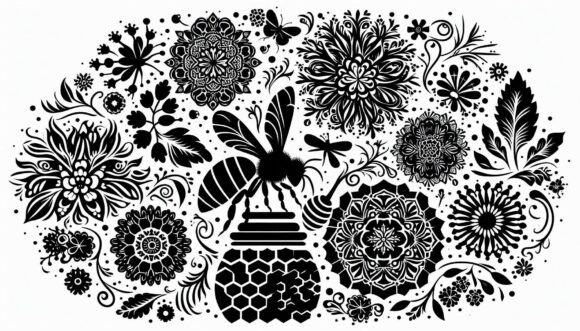
When you first load the "Bee Making Honey" package, the immediate takeaway is its versatility within lifestyle and educational niches. The illustrations carry a distinct editorial mood that feels both organic and polished. Depending on the specific style execution within the four files, the imagery leans towards a modern, clean aesthetic that avoids being overly childish while remaining accessible. This is crucial for publishers targeting adult audiences who appreciate nature-inspired themes without sacrificing professional credibility.
For bloggers in the wellness, gardening, sustainable living, or small business branding spaces, this asset creates an instant sense of trust. It suggests productivity, community, and natural sweetness—metaphors that resonate deeply with readers seeking authentic content. The visual hierarchy established by these graphics allows them to sit comfortably alongside serif fonts for long-form articles or sans-serif fonts for modern, minimalist layouts. They do not compete with the text; rather, they frame it, enhancing the overall reading experience.
Integrating Bee Making Honey into Your Publishing Workflow
A common mistake many content creators make is treating stock images as afterthoughts. However, strategic placement of high-quality design assets can significantly impact click-through rates and time-on-page. Here is how I recommend integrating the "Bee Making Honey" graphics into your daily publishing routine:
- Blog Featured Images: Use one of the high-resolution JPEGs as the primary featured image for posts related to honey, bees, sustainability, or small business growth. Ensure you crop it carefully to maintain focus on the central subject, which helps with social media previews where thumbnails are small.
- Pinterest Pins: Pinterest is a visual search engine. Create vertical pins using these illustrations as the background or main focal point. Overlay bold, readable headlines about "How to Start a Blog" or "5 Benefits of Natural Living." The artistic quality of these graphics will help your pins stand out in crowded feeds.
- Newsletter Headers: Email open rates depend heavily on subject lines, but retention depends on layout. Insert a subtle "Bee Making Honey" graphic at the top of your newsletter to create a consistent brand signature. This reinforces brand identity every time a subscriber opens their inbox.
- Digital Guides and Lead Magnets: If you are creating a downloadable PDF, such as a seasonal checklist or a beginner’s guide, use these illustrations for section dividers or cover art. A professionally designed lead magnet increases perceived value, making users more likely to exchange their email address for access.
- Social Media Stories and Posts: For Instagram or Facebook, use these images to break up text-heavy posts. They serve as excellent social media graphics that add visual interest without requiring extensive photo editing skills.
Supporting Content Performance and Reader Trust
Why does this matter? Because inconsistent or low-quality visuals signal amateurism to your audience. By using the "Bee Making Honey" package, you elevate the perceived quality of your entire website. When a visitor lands on a page with cohesive, high-resolution illustrations, they subconsciously associate that care with the accuracy and reliability of your written content.
Furthermore, these assets support stronger visual hierarchy. In a cluttered digital landscape, clear visual cues help readers navigate your site. A well-placed graphic can act as a visual anchor, drawing attention to key calls-to-action or important editorial points. This is particularly effective in affiliate marketing contexts, where you want to guide the reader toward a product recommendation without being overly aggressive. The gentle, natural theme of the bee illustrations softens the sales pitch, making it feel more like a helpful suggestion than a hard sell.
Strategic Placement and Design Considerations
To get the most out of these creative design elements, you must be selective about where you place them. While versatile, no single asset fits every context perfectly. Here is my breakdown of optimal and cautious usage scenarios:
Where It Works Best
- Hero Images: Large banner areas on your homepage or category pages benefit from the high resolution and artistic detail of these files.
- Editorial Accents: Use smaller crops of the illustrations as bullet points or sidebars within long-form articles to keep the reader engaged.
- Category Visuals: If you have a category page dedicated to "Nature" or "DIY," these graphics provide a thematic consistency that improves navigation.
- Downloadable Printables: Since the files are high resolution, they print beautifully for physical worksheets or planners sold as part of your digital product line.
Where to Use Carefully
However, there are limitations. Avoid using these illustrations in contexts that require strict corporate minimalism. If your website serves a serious financial or legal niche, the playful or artistic nature of the bee imagery may undermine your authority. Additionally, be mindful of mobile screens. On very small devices, intricate details in the illustration may become lost. Always test your designs on actual mobile devices to ensure the graphic remains recognizable as a thumbnail. Also, avoid placing these colorful assets over busy backgrounds or low-contrast areas, as this will compromise readability and accessibility.
Practical Publisher Notes for Implementation
Before uploading these files to your content management system, consider the following technical and legal checks. As a publisher, protecting your workflow and your legal standing is paramount.
First, always test the asset in black and white. This simple check reveals whether the composition holds up without relying on color, ensuring your design is robust. Second, preview the image inside your actual blog layout. Does it clash with your existing color palette? Does it disrupt the flow of your typography? You might find that pairing these illustrations with a script font for headers creates a lovely contrast, while a heavy display font might overpower the delicate artwork.
File size is another critical factor. Even though these are high-resolution JPEGs, large file sizes can slow down your website, negatively impacting SEO and user experience. Compress your images properly before upload. Tools that reduce file weight without visible quality loss are essential for maintaining fast load times.
Finally, confirm your commercial license. The package description indicates that commercial use is allowed, which is excellent for monetized websites, affiliate pages, and paid content products. However, always double-check the specific terms regarding redistribution. You cannot typically resell the raw JPEG files as your own stock photography, but you can absolutely incorporate them into your unique designs, blogs, and marketing materials.
Conclusion
The "Bee Making Honey" package offers a solid foundation for publishers looking to enhance their visual storytelling. With four high-resolution JPEG files and commercial licensing, it provides the flexibility needed for everything from website headers to Canva templates. By integrating these illustrations thoughtfully, you can improve your site’s aesthetic appeal, strengthen your brand identity, and build greater trust with your audience. For bloggers and digital entrepreneurs seeking to elevate their content from basic to professional, this asset is a worthwhile addition to your library of design assets.