Flower in a Watering Can Embroidery Review
As a designer who spends half my life staring at stitch density charts and the other half trying to explain to clients why their logo won’t work on a baseball cap, I approach every new digital asset with a healthy dose of skepticism. We have all been burned by "cute" graphics that turn into muddy blobs once they hit the hoop. That is why I decided to put Flower in a Watering Can through its paces. This isn't just another clipart file; it is a design that promises a specific mood—one of domestic warmth, gentle growth, and rustic charm. But does it hold up when translated from screen to thread? Here is my honest evaluation for embroidery designers, small business owners, and crafters looking to add this to their repertoire.
The First Impression: Mood and Visual Personality
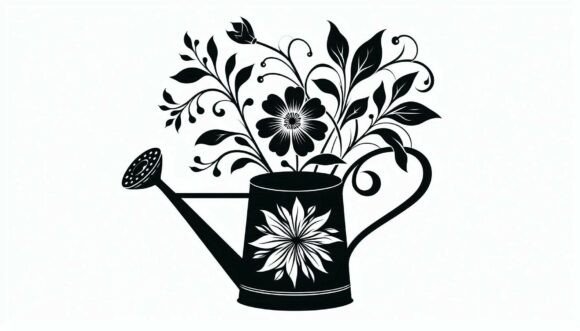
When you first load the files into your digitizing software or preview them in a mockup tool, the immediate takeaway is clarity. The concept of Flower in a Watering Can is straightforward, but execution is everything. In the world of digital illustrations and graphics, simplicity can often feel lazy, but here, it feels intentional. The composition centers on a classic watering can silhouette, likely rendered with clean lines that suggest vintage utility, topped with a floral element that adds softness.
This contrast is where the design shines. It balances the rigid, functional shape of the can with the organic, delicate nature of the flowers. For an embroiderer, this balance is crucial. If the flowers were too intricate, they might get lost in the stitching. If the can was too ornate, it would overwhelm the sentiment. As a visual anchor, this design creates a mood that is instantly recognizable as "spring," "gardening," or "nurturing." It feels like a quiet morning in a sunlit kitchen or a thoughtful gift for a mentor. It has a visual personality that is friendly without being childish, making it versatile enough for a wide range of audiences.
Real-World Application: Where This Design Thrives
I always ask myself one question before buying any machine embroidery design: "What am I actually going to make with this?" With Flower in a Watering Can, the answer comes easily because the imagery is so tied to everyday objects and sentiments. It is not an abstract pattern that requires explanation; it tells a story immediately.
For those running a craft business or selling on Etsy, this design is a goldmine for personalized gifts. Imagine a custom embroidered tote bag featuring this motif. The watering can represents care, and the flowers represent growth—a perfect metaphor for a baby shower gift or a new home present. On a sturdy canvas tote, the design will pop, offering high perceived value without requiring complex color changes. Similarly, consider a cozy sweatshirt embroidery project for the autumn or spring seasons. Placing this graphic on the chest of a heather grey or sage green sweatshirt creates a relaxed, artisanal look that appeals to the modern maker community.
Kitchen textiles are another natural fit. A tea towel or apron decorated with Flower in a Watering Can brings a touch of whimsy to meal prep. Because the subject matter relates to water and plants, it fits seamlessly into kitchen aesthetics. For small shop products like pillow covers or nursery decor, the design offers a soft focal point. It works beautifully in monochromatic schemes, using varying shades of blue or green thread to create depth, which helps keep production costs down while maintaining a professional finish.
Technical Considerations and Stitch Performance
Let’s talk about the mechanics. Even the most beautiful digital illustration fails if the underlying structure doesn’t support the fabric. When evaluating Flower in a Watering Can, we must look at how different stitch types interact with the image.
The outline of the watering can will likely rely on a combination of satin stitch for crisp edges and fill stitch for the body. If the digitizer has used appropriate underlay stitches, the fabric should remain stable, preventing puckering—a common issue with dense shapes. The floral elements, depending on the style, might use a mix of running stitch for stems and smaller satin or fill stitches for petals. This variety keeps the piece from looking flat. However, you must check the stitch density. If the flower details are too fine, they may disappear on textured fabrics like heavy denim or bouclé wool.
This is where testing becomes non-negotiable. Before committing to a full run of custom apparel, test the design on scrap fabric that matches your final product. Check the thread color contrast against both light and dark backgrounds. On dark fabric, you will need a solid underlay or a lighter base thread to ensure the colors pop. On stretchy fabrics, such as jersey knits for t-shirts, ensure the design has sufficient stability or use a cut-away stabilizer to prevent distortion during washing.
Where to Use Caution
No design is universal, and Flower in a Watering Can has its limitations. You should be cautious when attempting to stitch this on very small hoop sizes. If the design is scaled down too much, the distinct separation between the can and the flowers may blur, resulting in a muddy appearance. Tiny lettering added near the design could also suffer from the same loss of definition.
Avoid placing this on highly textured surfaces like terry cloth towels unless you are prepared for significant thread breakage or inconsistent coverage. Thin fabrics, such as silk or lightweight linen, require careful handling; the weight of the threads might cause the fabric to pucker if not stabilized properly. Additionally, curved surfaces like caps or hats demand a design that is optimized for curvature. If the original artwork is flat, you may need to adjust the digitization to account for the curve, ensuring the watering can doesn’t look stretched or distorted.
Commercial Viability and Brand Consistency
For the Etsy seller or commercial embroidery professional, licensing is paramount. The package includes four high-resolution JPEG files with commercial use allowed, which is excellent for creating marketing materials, printable mockups, and listing images. However, always verify the specific terms regarding the finished physical goods you sell. Does the license allow unlimited sales? Are there restrictions on digital redistribution?
Using Flower in a Watering Can consistently across your brand assets can build recognition. Pairing this design with earthy tones, simple typography, and natural packaging materials creates a cohesive brand identity. Customers trust brands that pay attention to detail. A well-executed embroidery project shows professionalism and care, directly influencing buyer engagement and repeat purchases. Whether you are creating holiday embroidery collections or seasonal wedding gifts, this design offers a timeless appeal that resonates with customers looking for authenticity.
Final Verdict
Flower in a Watering Can is more than just a pretty picture; it is a functional, emotionally resonant design that translates well to textile art. It succeeds because it respects the medium of embroidery, offering clear shapes and a balanced composition that guides the eye. For makers and entrepreneurs, it provides a reliable foundation for creating high-quality, marketable products. Just remember to test, stabilize, and respect the limits of your machine and materials. When done right, this design will not only look good—it will feel good to wear and use.