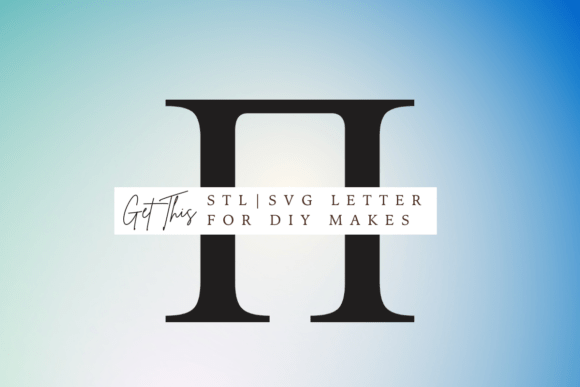
Greek Letter Pi SVG and STL for 3D Printing and Signs Amp Projects
When I sit down with a new client, especially one in the handmade or boutique space, the conversation rarely starts with software. It starts with feeling. They want their brand to feel established, elegant, and intentional. Recently, I was reviewing assets for a small business launching a line of artisanal ceramics and home decor. The brief called for something that bridged the gap between modern minimalism and classic sophistication. That is when I encountered the Greek Letter Pi SVG and STL. This isn't just a character; it is a design element that carries significant weight in both visual hierarchy and symbolic meaning.
As a designer who works across branding, packaging, and digital marketing, I am often skeptical of single-character assets. However, this particular file caught my attention because of its versatility. The description promises to take your creativity to the next level, and in practice, it delivers. Whether you are working on a physical product for 3D printing or a flat graphic for social media, the elegant serif font style offers a polished look that generic sans-serifs often lack. Let’s break down how this asset performs in real-world client scenarios.
The First Impression: Mood and Aesthetic
The moment you place the Greek Letter Pi on a canvas, it establishes a tone of intellectual elegance. Unlike playful scripts or bold display fonts, this serif letterform feels grounded. It suggests precision, mathematics, and timeless beauty. For a client project involving a math tutor, a university alumni group, or a high-end jewelry brand using geometric motifs, this asset immediately communicates quality.
The visual mood is refined. It does not shout; it whispers. This makes it ideal for projects where subtlety is key. In my experience, clients often overcomplicate their designs by adding too many elements. Using a single, well-crafted letter like Pi can serve as a powerful anchor. It creates a focal point without overwhelming the viewer. The dual format availability—SVG and STL—is a massive advantage here. It means the same design language can flow seamlessly from a digital advertisement to a tangible, printed object.
Real-World Applications in Branding and Packaging
I recently tested this asset in a mockup for a local bakery that wanted to introduce a "Mathematical Precision" themed dessert series. The goal was to make the packaging look premium. By incorporating the Greek Letter Pi SVG into the label design, we achieved a striking contrast against the warm, organic tones of the kraft paper background. The clean lines of the vector file ensured that even at small sizes, the logo remained legible and sharp.
This asset shines in several specific areas of commercial design:
- Packaging Design: Use the Pi symbol as a subtle watermark or a central emblem on boxes, jars, and bags. Its geometric nature fits well with modern, minimalist packaging trends.
- Brand Identity: If a client’s name or concept relates to infinity, circles, or mathematical concepts, this letter serves as a perfect monogram or icon. It adds a layer of narrative depth to the brand story.
- Marketing Visuals: For Instagram posts or Pinterest pins, a large, isolated Pi character can serve as a background texture or a bold header element. It draws the eye and encourages engagement through curiosity.
- Merchandise: From tote bags to t-shirt design, the simplicity of the glyph ensures it prints cleanly. It avoids the clutter that often plagues amateur merchandise designs.
The ability to use this as a design bundle component is also worth noting. You can pair it with other Greek letters or geometric shapes to create a cohesive collection. This is particularly useful for Etsy sellers looking to launch a themed shop focused on education, science, or academic apparel.
Technical Performance and Format Versatility
One of the strongest arguments for this asset is its dual-format capability. The SVG version is essential for web designers and print-on-demand sellers. It allows for infinite scalability without pixelation. When creating web design elements or responsive emails, knowing that the Pi will render crisply on any screen resolution is crucial for maintaining professional standards.
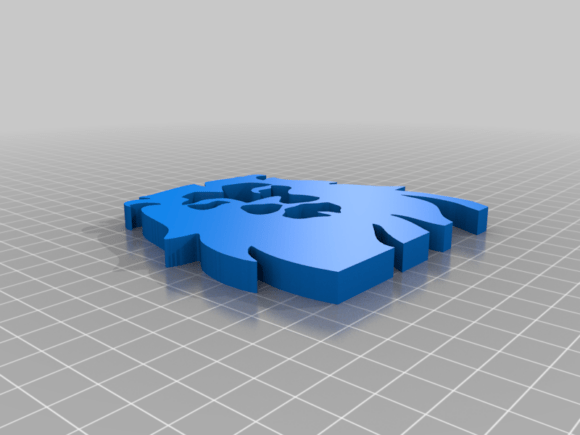
Conversely, the STL format opens up entirely new avenues for makers. As noted in the product inspiration, this is ideal for 3D printing. Imagine creating a custom sign for a classroom, a wedding decoration, or a corporate office plaque. The STL file allows you to extrude the letter, giving it physical presence. You can experiment with different materials, such as wood-like filaments or metallic finishes, to enhance the signs amp aesthetic. This bridges the gap between digital graphics and physical crafts, allowing designers to offer end-to-end solutions to clients.
Where to Exercise Caution
No design asset is a silver bullet. There are situations where the Greek Letter Pi SVG and STL may not be the best choice. Because it is an elegant serif font, it can struggle in contexts that demand ultra-modern, tech-forward, or playful vibes. It might feel out of place in a startup’s logo if the brand personality is quirky or disruptive.
Furthermore, consider readability and hierarchy. While the Pi is distinct, it should not be used as body text. It is a display element. Avoid placing it in crowded layouts where it competes with other heavy graphical elements. On low-contrast backgrounds, the thin serifs of the letter may get lost, reducing visual trust and recognition. Always test the asset in black and white first to ensure the shape holds up without the aid of color. If you are designing for a minimalist branding project, ensure the negative space around the Pi is generous enough to let it breathe.
Practical Designer Notes for Commercial Use
Before integrating this asset into a paid client project, there are several checks I always recommend:
- Inspect File Quality: Open the SVG in your vector software to check for unnecessary nodes or messy paths. Clean code ensures faster load times and easier editing.
- Test Print Resolution: Even though SVGs are vector-based, always preview the design at its actual output size. Check how the fine details of the serifs hold up when printed on fabric or small labels.
- Check Licensing: Confirm the commercial license terms. Some assets allow unlimited use, while others restrict the number of physical items you can sell. This is critical for print-on-demand businesses.
- Mood Board Testing: Place the Pi alongside your client’s primary colors and secondary fonts. Does it harmonize? Or does it clash? Ensure it supports the overall visual hierarchy of the campaign.
- Compare Styles: Briefly compare it with a sans serif font or a handwritten font option. Sometimes, the decision comes down to which style better reflects the target audience’s expectations.
In conclusion, the Greek Letter Pi SVG and STL is more than just a downloadable file; it is a tool for elevating creative design. It offers the precision needed for technical fields and the elegance required for luxury markets. Whether you are crafting a Cricut project, designing a sticker design for a boutique, or preparing a product mockup for an online launch, this asset provides a reliable foundation for professional results. By understanding its strengths and limitations, designers can leverage this symbol to create work that is not only visually appealing but also strategically sound.