Printing Robotic Arm Illustration for Graphics and Crafts
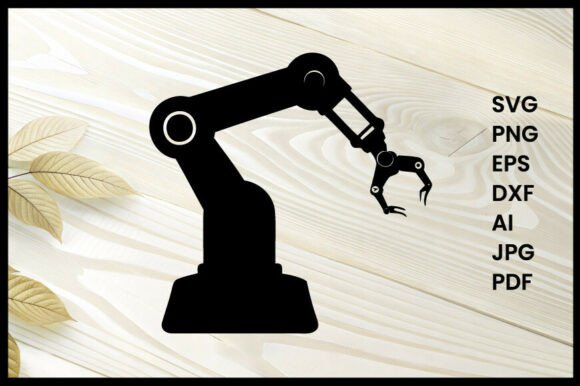
In the fast-paced world of content marketing and visual branding, the difference between a scroll-past and a click-through often comes down to a single design element. As a brand designer who has spent years helping small businesses and digital creators refine their visual identity, I am constantly evaluating new assets that can elevate a campaign without breaking the bank. Recently, I had the opportunity to review a specific asset titled "Printing Robotic Arm Illustration." This piece is described as a silhouette of an industrial robot arm with a claw for automation, available as a 3D printing vector illustration intended for download, print, and print-on-demand use.
At first glance, this might seem like a niche clipart item, but when viewed through the lens of modern brand identity, it reveals surprising versatility. Below is my professional assessment of how this graphic design asset performs in real-world marketing scenarios, from social media campaigns to physical product packaging.
First Impressions: Mood and Audience Perception
When I first loaded the file into my design software, the immediate mood conveyed was one of precision, efficiency, and futuristic capability. The silhouette style strips away unnecessary detail, focusing purely on form and function. This creates a clean, bold aesthetic that feels both modern design-forward and industrially robust.
For audience perception, this asset signals innovation. It does not feel playful or whimsical; rather, it commands respect and attention. This makes it highly suitable for brands in the technology, manufacturing, educational STEM, or even high-end DIY sectors. If you are targeting an audience that values craftsmanship combined with technological advancement, this illustration bridges the gap effectively. It avoids looking messy or unprofessional because the vector format ensures crisp edges at any scale, a critical factor for maintaining professional branding across different mediums.
Real-World Application: A Product Launch Scenario
To understand the true value of this asset, let’s frame it within a realistic marketing project. Imagine you are a small business owner launching a new line of modular desk organizers or perhaps a tech-focused gadget. You need to refresh your social media visuals, create a series of Pinterest pins, and design a digital ad campaign simultaneously. Time is tight, and budget is limited.
This is where the "Printing Robotic Arm Illustration" becomes a strategic tool. Instead of commissioning expensive custom illustrations, you utilize this SVG design as a core visual anchor. Because it is a silhouette, it integrates seamlessly into various color palettes. You can overlay it on a dark background for a sleek, premium look, or place it on a white background for a clean, editorial feel. It supports a cohesive narrative about automation, precision, and smart living, which resonates strongly with today’s consumer base.
Performance Across Marketing Channels
The adaptability of this creative design allows it to perform well across multiple touchpoints. Here is how it fits into specific marketing channels:
- Social Media Graphics: Use the robotic arm silhouette as a hero image for Instagram posts or Facebook ads. Its bold shape stands out in crowded feeds, drawing the eye immediately.
- Pinterest Pins: Create vertical graphics featuring the arm alongside text overlays about "Efficiency Hacks" or "Smart Home Tech." The high contrast of the silhouette works exceptionally well on Pinterest’s visually dense platform.
- Email Banners: Incorporate the asset into header designs for newsletters promoting new products or seasonal offers. It adds a layer of sophistication that generic stock photos often lack.
- Packaging Design: For physical products, this illustration can be printed on boxes, labels, or inserts. It communicates quality and technical expertise before the customer even opens the package.
- Blog Graphics: Break up long-form content with relevant visuals. If you are writing about automation trends or DIY robotics, this illustration serves as a perfect visual aid.
Supporting Core Marketing Goals
Integrating this asset into your workflow is not just about aesthetics; it directly supports key marketing objectives. First, it helps establish a stronger first impression. A consistent visual language builds recognition, and using a unique, high-quality graphic helps differentiate your brand from competitors using generic clipart.
Secondly, it enhances visual hierarchy. The distinct shape of the robotic arm naturally draws attention, allowing you to guide the viewer’s eye toward your call-to-action or key message. This clarity improves audience trust, as consumers associate professional, well-designed visuals with reliable, high-quality products.
Furthermore, this asset fosters an emotional connection by tapping into the fascination with technology and automation. It suggests progress and forward-thinking, which can make your brand feel innovative and relevant. Whether used in digital ads or lead magnets, the asset contributes to a more memorable campaign that sticks in the viewer’s mind.
Optimal Placement and Strategic Use
To maximize impact, consider placing this design asset in areas where visual strength is paramount. It works beautifully as a hero graphic on landing pages or as a decorative element in editorial layouts. For small business branding, it can serve as a recurring motif in your content bundles or promotional banners.
It is also ideal for creating branded templates. By saving variations of this illustration in different colors, you can quickly generate a suite of social media graphics that maintain consistency while offering variety. In packaging accents, it can highlight features like "Automated Quality Control" or "Precision Engineering," adding perceived value to your product.
Areas Requiring Careful Consideration
While versatile, this asset is not a universal fit. There are specific contexts where it should be used with caution:
- Formal Corporate Branding: If your brand voice is strictly traditional or conservative, a robotic silhouette might feel too aggressive or tech-heavy.
- Dense Information Layouts: Avoid placing this asset in areas with heavy text. Its strong visual presence can compete with your copy, reducing readability.
- Small Mobile Graphics: While vectors scale well, extremely small sizes may lose definition if the details are too intricate. Always test at actual display size.
- Low-Contrast Backgrounds: Silhouettes rely on contrast. Using black or dark gray silhouettes on dark backgrounds will render the asset invisible.
- Overly Minimal Brands: If your brand relies on extreme minimalism, this detailed mechanical form might introduce too much visual noise.
Practical Notes for Brand Designers
Before integrating this commercial design into your final campaigns, follow these practical steps to ensure success:
- Test Color Palettes: Experiment with the silhouette in your primary brand colors. See how it interacts with accent colors to ensure it aligns with your brand identity.
- Check Black and White Usage: Preview the asset in pure black and white to verify its shape remains recognizable and impactful without color cues.
- Mockup Integration: Place the illustration inside real campaign mockups, such as phone screens or printed flyers, to assess its scale and balance.
- Font Pairing: Test the asset with various typography styles. It pairs well with bold sans serif fonts for a modern look, or elegant serif fonts for a sophisticated contrast. Avoid overly decorative script fonts that may clash with the industrial theme.
- Review Spacing: Ensure adequate whitespace around the asset to prevent visual clutter and maintain a professional appearance.
- Verify Licensing: Confirm the commercial license terms before using the asset in paid campaigns, client work, or resale items. Understanding the usage rights protects your business from legal issues.
In conclusion, the "Printing Robotic Arm Illustration" is a powerful addition to any designer’s toolkit. It offers a blend of modern aesthetics and functional clarity that can significantly enhance marketing visuals. By understanding its strengths and limitations, you can leverage this graphic design asset to create compelling, trustworthy, and visually striking campaigns that resonate with your target audience.